
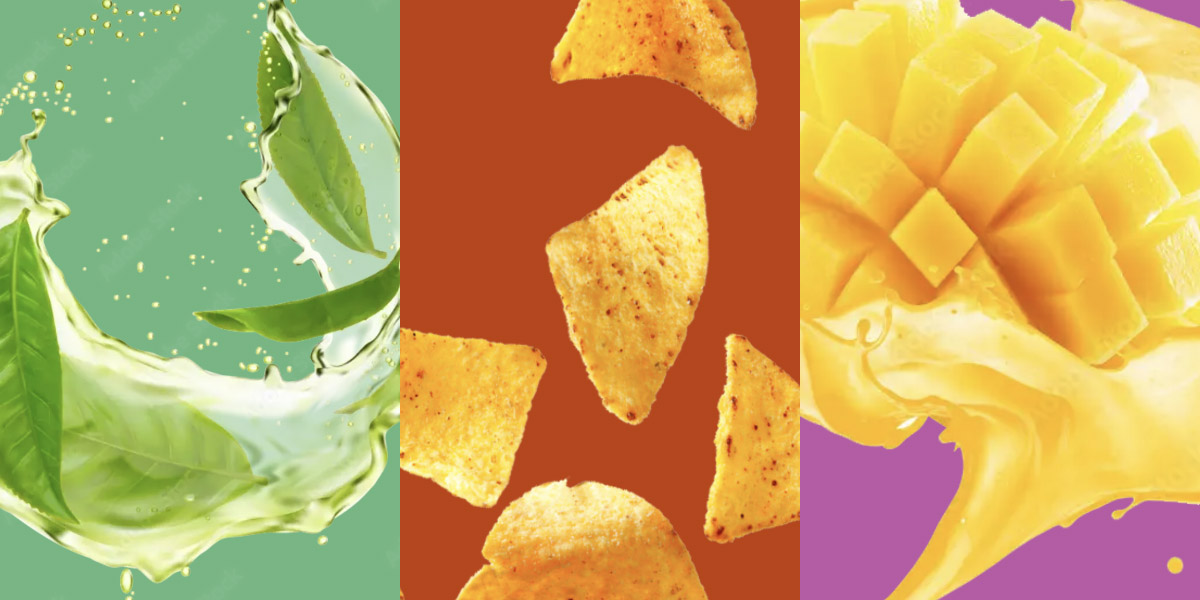
A Pringle is supposed to be predictable. Same shape. Same crunch. Same taste. The ingredients? Not so much. Potatoes vary by season. Flour particle sizes change. Humidity fluctuates. Even ingredients from the same supplier can behave differently from batch to batch. According to The Wall Street Journal, Kellanova partnered with Siemens to build an AI-powered digital twin of its Pringles production line. The system analyzes hundreds of variables, predicts how changes will affect the final product, and recommends adjustments in real time. The result? 10% better quality, 13% less waste, and more than 40% ROI.
For startups developing physical products, there’s a valuable lesson here: great formulation isn’t just about finding a formula that works. It’s about finding one that keeps working.
A formula that performs perfectly in the lab can behave very differently at scale.
Raw materials change. Suppliers change. Manufacturing conditions change. And customers don’t care why.
They simply expect the product they loved last time to perform the same way next time.
That’s why formulation isn’t just an ingredient list. It’s a system of interconnected variables.
Change one ingredient and you might change texture, stability, appearance, shelf life, manufacturing behavior, or performance.
The question isn’t just, “Does this formula work?”
It’s “Will it keep working when conditions change?”
Experienced formulators develop intuition through thousands of experiments. AI and better data won’t replace that expertise—but they can make it more powerful. Imagine identifying patterns across previous formulations, predicting how a raw-material change could affect performance, or spotting why batches fail before running another dozen experiments. That’s where AI becomes interesting for formulation: not as a replacement for the scientist, but as another tool for making better decisions faster. And the metric that matters isn’t how much AI you use. Kellanova measured quality, waste, and ROI. Startups should think the same way: Are you reducing unnecessary iterations? Getting to a viable formula faster? Improving consistency? Lowering manufacturing risk?
Startups often solve problems sequentially: Make the product. Then figure out manufacturing. Then sourcing. Then scale.
But those decisions are connected from day one. A formula dependent on one specific raw material can become a sourcing problem. A process that works beautifully at bench scale can become expensive at commercial volumes. Small inconsistencies can become major problems when you’re producing thousands of units. At Siena, we believe formulation should account for those realities early—not after they become expensive problems. The Pringles project isn’t really about making a better chip. It’s about learning to produce a consistent result from inconsistent inputs. That’s a challenge every product startup eventually faces.
Because the best formula isn’t simply the one that works today. It’s the one that’s ready for what comes next.
https://www.wsj.com/tech/ai/inside-the-long-ai-powered-quest-to-perfect-pringle-making-ab37a231
Corporate Office
585-502-8055
New York Office
347-828-2324